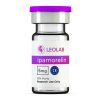
Ipamorelin is a synthetic growth hormone secretagogue peptide studied in research environments for its ability to stimulate the natural release of growth hormone through activation of the ghrelin receptor (GHS-R1a). It belongs to the class of growth hormone-releasing peptides (GHRPs) and is widely used in biochemical and endocrine research to investigate hormonal regulation pathways.
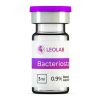
Bac Water (Bacteriostatic Water) is a sterile, non-pyrogenic solution containing 0.9% benzyl alcohol, which acts as a preservative to inhibit bacterial growth. It is primarily used for the reconstitution and dilution of lyophilized peptides, allowing users to prepare accurate and stable solutions.
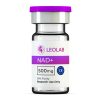
NAD+ (Nicotinamide Adenine Dinucleotide) is a vital coenzyme naturally present in every living cell. It plays a central role in cellular metabolism and energy production, helping the body convert nutrients from food into usable energy. NAD+ functions as an electron carrier in biochemical reactions that support mitochondrial activity, which is why it is closely associated with cellular energy and metabolic health.
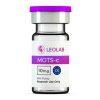
MOTS-c (Mitochondrial Open Reading Frame of the 12S rRNA-c) is a mitochondrial-derived peptide encoded within mitochondrial DNA. Discovered in 2015, it belongs to a class of biologically active molecules known as mitochondrial-derived peptides (MDPs), which are studied for their role in cellular signaling and metabolic regulation.
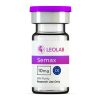
Semax is a synthetic research peptide derived from a modified fragment of adrenocorticotropic hormone (ACTH 4–10). It was originally developed to explore its potential effects on cognitive function and neuroprotection. Unlike the parent ACTH hormone, Semax does not significantly stimulate adrenal activity, as it was structurally adapted to focus on central nervous system pathways.
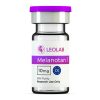
Melanotan 1 (Afamelanotide) is a synthetic peptide analogue of alpha-melanocyte-stimulating hormone (α-MSH), a naturally occurring hormone involved in regulating melanin production in the body. It was developed to provide a more stable and longer-acting alternative to endogenous α-MSH while maintaining selective activity at melanocortin receptors.