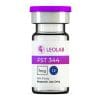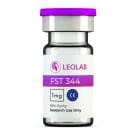

Buy FST 344 online in the US
FST 344, also known as Follistatin 344, is a synthetic peptide form of follistatin that has attracted considerable attention within the scientific community due to its interaction with proteins involved in muscle growth regulation. As a research compound, FST 344 is primarily studied for its ability to bind to myostatin and activin, two signaling proteins that play important roles in cellular growth and tissue development. Because of these unique biological properties, FST 344 has become a subject of ongoing laboratory investigations in fields related to muscle biology, regenerative science, and protein signaling pathways.
Researchers are interested in FST 344 because myostatin is widely recognized as a negative regulator of skeletal muscle growth. By examining how follistatin-derived peptides influence myostatin activity, scientists aim to better understand the mechanisms that govern muscle development, repair, and cellular differentiation. In addition to myostatin, FST 344’s interaction with activins has generated interest in broader areas of biomedical research, making it a valuable compound for experimental studies.
This guide provides an overview of FST 344 for research purposes, including what the peptide is, available dosage options, pricing information from LeoLabRx, opportunities to save money through quantity discounts and promotional offers, and whether independent laboratory testing data is available. If you are looking to buy FST 344 online in the US, this article will help you evaluate key factors such as product transparency, quality assurance, and overall value before placing an order.
Table of Contents
What Is FST 344?
FST 344, or Follistatin 344, is a research peptide derived from the naturally occurring follistatin protein. Follistatin is a glycoprotein found in many tissues throughout the body and is known for its ability to regulate members of the transforming growth factor-beta (TGF-β) superfamily. The FST 344 isoform consists of 344 amino acids and serves as the precursor to the circulating FST 315 form after post-translational processing.
One of the primary reasons FST 344 has gained attention in scientific research is its interaction with myostatin (GDF-8) and activins. Myostatin acts as a negative regulator of skeletal muscle growth by limiting muscle cell proliferation and differentiation. FST 344 binds to myostatin, reducing its biological activity and allowing researchers to investigate the pathways involved in muscle development and regeneration. In addition to myostatin, FST 344 also binds to activins, proteins involved in processes such as cell growth, inflammation, tissue repair, and reproductive biology. Because of these interactions, FST 344 is frequently used to explore complex signaling mechanisms in laboratory settings.
Current research involving FST 344 spans several areas of biomedical science. Scientists use the peptide in preclinical studies focused on skeletal muscle physiology, muscle wasting disorders, regenerative medicine, tissue engineering, and the molecular biology of TGF-β signaling. Researchers are also investigating follistatin’s role in fibrosis, metabolic regulation, and cellular differentiation to better understand its potential applications in future therapeutic development. These studies are conducted in controlled laboratory environments using experimental models rather than in approved clinical settings.
Why Buy FST 344 Online in the US?
Purchasing FST 344 online in the US offers several advantages for research institutions, laboratories, and individual investigators seeking reliable access to high-quality research peptides. Choosing a reputable US-based supplier can simplify the ordering process, reduce shipping times, and provide greater confidence in product quality and customer support.
One of the primary benefits of buying from a US supplier is faster domestic shipping. Orders shipped within the United States typically arrive much sooner than international shipments, minimizing delays that could disrupt ongoing research projects. Domestic shipping also reduces the likelihood of customs-related issues, import delays, or additional fees that may occur when ordering peptides from overseas vendors.
Convenience is another important factor. US-based peptide suppliers generally offer streamlined ordering, secure payment methods, shipment tracking, and responsive customer service. These features make it easier for researchers to manage purchases, monitor deliveries, and resolve any order-related questions quickly. Many suppliers also maintain inventory within the United States, helping ensure consistent product availability.
Product quality should always be a top priority when purchasing research peptides. Reputable US vendors typically provide detailed product information, including peptide purity, batch numbers, and Certificates of Analysis (COAs) whenever available. Some suppliers also offer independent third-party laboratory testing, allowing researchers to verify the identity and purity of each batch before use. Reviewing this documentation can help ensure greater transparency and confidence in the materials used for laboratory studies.
FST 344 Dosage for Research
FST 344 is supplied exclusively for laboratory research and is not approved for human use. As a result, there are no FDA-approved dosing guidelines or standardized clinical protocols for this peptide. Any dosage information available in scientific literature is derived from preclinical or experimental research and should not be interpreted as recommendations for medical or personal use.
Common Research Concentrations and Vial Sizes
FST 344 is commonly available as a 1 mg lyophilized peptide vial, making it suitable for controlled laboratory experiments where researchers prepare custom concentrations based on their specific study design. After reconstitution with an appropriate laboratory-grade solvent, the peptide can be diluted to the concentration required for experimental protocols.
The 1 mg vial size is often selected because it allows researchers to:
- Prepare precise working solutions for in vitro or preclinical studies.
- Minimize waste by reconstituting only the amount needed for an experiment.
- Store unused lyophilized peptide under recommended conditions until use.
General Research Dosing Protocols
There is no universally accepted dosage protocol for FST 344 in research. Experimental protocols vary considerably depending on the objectives of the study and the model being investigated. In published preclinical research, investigators determine dosing based on factors such as the biological target, study duration, administration method, and desired experimental outcomes.
Rather than following a standard dose, researchers typically establish dosing parameters during study design using existing scientific literature, pilot studies, and institutional research guidelines. Because FST 344 remains an investigational research compound, experimental protocols should always be developed and reviewed by qualified research personnel.
Factors That Influence Research Dosing
Several variables may influence the amount of FST 344 used in laboratory studies, including:
- The type of experimental model (cell culture, tissue model, or animal study).
- The specific research objective, such as investigating myostatin inhibition or activin signaling.
- Frequency and duration of peptide administration within the study.
- Peptide concentration after reconstitution.
- Overall study design and analytical endpoints.
These variables explain why dosing protocols reported in the scientific literature can differ significantly between studies.
Storage and Reconstitution
To preserve peptide stability, lyophilized FST 344 should be stored according to the manufacturer’s recommendations, typically in a cool, dry environment and protected from light. For long-term storage, freezing unopened vials is commonly recommended.
Before use in laboratory research, the peptide is typically reconstituted using a sterile laboratory-grade solvent specified by the research protocol or manufacturer. Once reconstituted, the solution is generally stored under refrigerated conditions and used within the timeframe recommended by the supplier to help maintain stability and minimize degradation. Researchers should avoid repeated freeze-thaw cycles, as they may reduce peptide integrity over time.FST 344 Dosage for Research
FST 344 is supplied exclusively for laboratory research and is not approved for human use. As a result, there are no FDA-approved dosing guidelines or standardized clinical protocols for this peptide. Any dosage information available in scientific literature is derived from preclinical or experimental research and should not be interpreted as recommendations for medical or personal use.
Common Research Concentrations and Vial Sizes
FST 344 is commonly available as a 1 mg lyophilized peptide vial, making it suitable for controlled laboratory experiments where researchers prepare custom concentrations based on their specific study design. After reconstitution with an appropriate laboratory-grade solvent, the peptide can be diluted to the concentration required for experimental protocols.
The 1 mg vial size is often selected because it allows researchers to:
- Prepare precise working solutions for in vitro or preclinical studies.
- Minimize waste by reconstituting only the amount needed for an experiment.
- Store unused lyophilized peptide under recommended conditions until use.
General Research Dosing Protocols
There is no universally accepted dosage protocol for FST 344 in research. Experimental protocols vary considerably depending on the objectives of the study and the model being investigated. In published preclinical research, investigators determine dosing based on factors such as the biological target, study duration, administration method, and desired experimental outcomes.
Rather than following a standard dose, researchers typically establish dosing parameters during study design using existing scientific literature, pilot studies, and institutional research guidelines. Because FST 344 remains an investigational research compound, experimental protocols should always be developed and reviewed by qualified research personnel.
Factors That Influence Research Dosing
Several variables may influence the amount of FST 344 used in laboratory studies, including:
- The type of experimental model (cell culture, tissue model, or animal study).
- The specific research objective, such as investigating myostatin inhibition or activin signaling.
- Frequency and duration of peptide administration within the study.
- Peptide concentration after reconstitution.
- Overall study design and analytical endpoints.
These variables explain why dosing protocols reported in the scientific literature can differ significantly between studies.
Storage and Reconstitution
To preserve peptide stability, lyophilized FST 344 should be stored according to the manufacturer’s recommendations, typically in a cool, dry environment and protected from light. For long-term storage, freezing unopened vials is commonly recommended.
Before use in laboratory research, the peptide is typically reconstituted using a sterile laboratory-grade solvent specified by the research protocol or manufacturer. Once reconstituted, the solution is generally stored under refrigerated conditions and used within the timeframe recommended by the supplier to help maintain stability and minimize degradation. Researchers should avoid repeated freeze-thaw cycles, as they may reduce peptide integrity over time.
FST 344 Price at LeoLabRx
When purchasing research peptides, pricing should be considered alongside factors such as product quality, purity, and supplier transparency. For researchers looking to buy FST 344 online in the US, LeoLabRx offers a straightforward product option that is designed for laboratory use.
Buy FST 344: Pick the Right Vial
Any peptide, including FST 344, should be used within 4 weeks (ideally) and no longer than 6 weeks, as its potency cannot be guaranteed beyond this period.
With this in mind, I’ve created a table to help you select the right peptide vial based on three key criteria:
- Your weekly dosage
- The strength of the vial
- The optimal cost per month
This way, you can make an informed decision that balances effectiveness, convenience, and value.
| Vial Size (FST 344) | Price at LeoLabRx | Suitable For | Estimated Monthly Cost* |
|---|---|---|---|
| 1 mg vial | $170 | Suitable for researchers requiring a small-volume research supply or studies using lower peptide quantities. A single 1 mg vial may cover approximately one month in a low-quantity research protocol, depending on the experimental design and weekly amount used. | $170/month (when one 1 mg vial is used over approximately 4 weeks) |
The peptide is supplied as a 1 mg lyophilized vial, allowing researchers to prepare working solutions according to the requirements of their experimental protocols. This vial size is suitable for laboratories conducting pilot studies or experiments that require precise peptide preparation.
Cost Comparison by Package Size
Currently, LeoLabRx lists FST 344 in a single 1 mg vial size priced at $170.00. Since there are no alternative package sizes available for this product, researchers can easily estimate project costs based on the number of vials required for their study. Product availability and pricing may change over time, so it is advisable to verify the latest information directly on the supplier’s website before placing an order.
Value for Money
Although FST 344 is considered a premium research peptide, its price reflects the complexity of manufacturing a recombinant glycoprotein used in advanced scientific research. When evaluating overall value, researchers should consider more than the purchase price alone. Important factors include product purity, batch consistency, available Certificates of Analysis (COAs), independent laboratory testing (if provided), secure packaging, and reliable customer support.
How to Save Money When Buying FST 344
Purchasing research peptides can represent a significant investment, particularly for laboratories conducting long-term studies or projects that require multiple vials. Fortunately, there are several ways to reduce the overall cost of purchasing FST 344 from LeoLabRx, including automatic quantity discounts and an exclusive promotional code.
Quantity Discounts
LeoLabRx rewards larger purchases with automatic volume discounts applied during checkout. This allows researchers to lower the cost per vial without needing to enter a separate coupon code.
Current quantity discounts include:
| Quantity | Automatic Discount |
|---|---|
| 5+ items | 5% off |
| 10+ items | 10% off |
| 20+ items | 15% off |
The applicable discount is calculated automatically once the qualifying quantity is added to the shopping cart, making it easy for research teams to save on larger orders.
Exclusive 10% Promo Code
Researchers can also save by using the exclusive promotional code provided by hcs-pharma.com:
Promo Code: HCS-P1-10
To redeem the discount:
- Add FST 344 and any other desired products to your shopping cart.
- Proceed to the checkout page.
- Enter HCS-P1-10 in the Promo Code or Discount Code field.
- Apply the code before completing your purchase to receive 10% off eligible items.
This exclusive offer provides a simple way to reduce the total purchase price, especially for researchers placing individual or smaller orders.
Can the Promo Code Be Combined with Quantity Discounts?
Whether HCS-P1-10 can be combined with LeoLabRx’s automatic quantity discounts depends on the store’s current promotional policy. If coupon stacking is permitted, researchers may be able to receive both the volume discount and the promotional discount on the same order. If stacking is not supported, the checkout system will typically apply the promotion that provides the greatest overall savings.
Has FST 344 Been Tested by an Independent Laboratory?
Independent laboratory testing is one of the most important indicators of quality when purchasing research peptides. Third-party verification provides researchers with confidence that a product matches its label claims and meets the supplier’s stated quality standards. Before purchasing FST 344, it is advisable to confirm whether the supplier provides batch-specific testing documentation and Certificates of Analysis (COAs).
Availability of Third-Party Testing
LeoLabRx states that its research peptides undergo independent third-party laboratory testing to verify product quality before release. Batch-specific testing is intended to confirm that the peptide meets established specifications for identity and purity, helping researchers source materials with greater confidence.
Certificate of Analysis (COA)
Each tested batch is accompanied by a Certificate of Analysis (COA), which serves as a quality assurance document. A COA typically includes information such as:
- Product name and batch number
- Date of analysis
- Analytical test methods
- Purity results
- Identification results
- Storage recommendations
Researchers should always verify that the COA corresponds to the batch number of the product they receive.
Independent Laboratory Verification
According to the documentation provided by LeoLabRx, FST 344 has been evaluated by an independent analytical laboratory using recognized peptide testing methods, including:
- Testing laboratory: Janoshik Analytical
- Analytical methods: High-Performance Liquid Chromatography (HPLC) and Liquid Chromatography–Mass Spectrometry (LC-MS)
- Identity verification: Confirmed by LC-MS
- Purity: ≥99% by HPLC
Depending on the batch, additional testing information may also be available. Researchers interested in endotoxin analysis or other specialized assays should review the corresponding COA or contact the supplier for batch-specific documentation.
Why Independent Testing Matters
Third-party laboratory verification helps ensure that a research peptide is accurately identified and free from significant impurities that could affect experimental outcomes. Independent testing also promotes transparency by allowing researchers to review objective analytical data rather than relying solely on manufacturer claims.
When evaluating a research peptide supplier, it is generally recommended to look for:
- Batch-specific Certificates of Analysis.
- Independent verification of peptide identity.
- HPLC purity analysis.
- LC-MS confirmation of molecular identity.
- Transparent access to laboratory documentation before or after purchase.
Conclusion
Buying FST 344 online in the US requires more than simply comparing prices. Researchers should prioritize suppliers that demonstrate a commitment to quality through transparent product information, independent third-party testing, batch-specific Certificates of Analysis (COAs), and reliable customer support. Fast domestic shipping, secure payment options, and clear storage recommendations are also important factors that contribute to a smooth purchasing experience and help ensure the integrity of research materials.
While the current 1 mg FST 344 vial from LeoLabRx is priced at $170, the overall value extends beyond the initial cost. Access to quality documentation, verified purity, and responsive customer service can provide greater confidence that the peptide meets the standards required for laboratory research.
Researchers planning larger purchases should also take advantage of the available savings opportunities. LeoLabRx’s automatic quantity discounts can reduce the overall cost of bulk orders, while the exclusive promotional code HCS-P1-10, courtesy of hcs-pharma.com, provides an additional way to save on eligible purchases. Before completing your order, be sure to review the discounts applied during checkout and confirm the current promotion policy to maximize your savings.
Frequently Asked Questions About FST 344
-
What is FST 344?
FST 344, also known as Follistatin 344, is a research peptide derived from the follistatin protein. It is studied in laboratory settings due to its interaction with proteins such as myostatin and activin, which are involved in muscle growth regulation, cellular signaling, and tissue development.
-
What is FST 344 used for?
FST 344 is commonly investigated in scientific research related to:
* Myostatin and activin signaling pathways
* Skeletal muscle biology
* Muscle development and regeneration studies
* Cellular differentiation research
* TGF-β family protein interactions -
Where can I buy FST 344 online in the US?
You can buy FST 344 online in the US from LeoLabRx. The product is available as a 1 mg lyophilized vial designed for research use.
The current price for the initial 1 mg vial is:* FST 344 (1 mg) — $170 USD
-
Does LeoLabRx offer discounts for FST 344?
Yes. Larger orders may qualify for automatic quantity discounts applied during checkout.
Available volume discounts include:* 5+ items: 5% discount
* 10+ items: 10% discount
* 20+ items: 15% discount -
Is there a promo code for FST 344?
Yes. Researchers can use the exclusive promotional code:
* HCS-P1-10
This code provides an additional 10% discount on eligible purchases and is provided through hcs-pharma.com.
To apply the code:1..Add FST 344 to your shopping cart.
2. Proceed to checkout.
3. Enter HCS-P1-10 in the promo code field.
4. Apply the discount before completing payment. -
Does FST 344 come with a Certificate of Analysis (COA)?
A Certificate of Analysis (COA) provides important information about a research peptide batch, including identity testing, purity results, and analytical methods.
Researchers should request or review the batch-specific COA provided by the supplier to confirm product quality documentation before use. -
Has FST 344 been tested by an independent laboratory?
Independent laboratory testing is an important quality control measure for research peptides. Third-party analysis can help verify peptide identity and purity using methods such as:
* High-Performance Liquid Chromatography (HPLC)
* Liquid Chromatography–Mass Spectrometry (LC-MS) -
What purity should I look for when buying FST 344?
Researchers typically look for high-purity research peptides supported by analytical documentation. A reputable supplier should provide information about:
* Peptide purity percentage
* Testing methodology
* Batch number
* Laboratory verification data