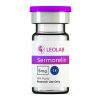
Sermorelin is a synthetic peptide consisting of the first 29 amino acids of naturally occurring growth hormone-releasing hormone (GHRH), commonly referred to as GHRH(1-29). This peptide represents the biologically active portion of the native hormone and is designed to interact with GHRH pathways involved in growth hormone signaling.
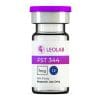
FST 344, also known as Follistatin 344, is a research peptide consisting of 344 amino acids and representing one of the naturally occurring isoforms of the follistatin protein. Follistatin is a glycoprotein involved in regulating members of the transforming growth factor-beta (TGF-β) superfamily, including myostatin (GDF-8) and activins.
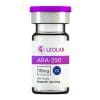
ARA-290 (also known as Cibinetide) is a synthetic peptide derived from erythropoietin (EPO) that selectively activates the innate repair receptor (IRR) without stimulating red blood cell production. It has become an important research compound due to its potential tissue-protective, anti-inflammatory, and neuroprotective properties.
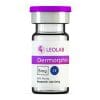
Dermorphin is a naturally occurring opioid peptide that has attracted scientific interest due to its unique molecular structure and interaction with opioid receptors. It was originally isolated from the skin secretions of the South American tree frog Phyllomedusa sauvagei and is classified as a heptapeptide, consisting of seven amino acids.
PT141 (Bremelanotide) is a synthetic peptide derived from the naturally occurring alpha-melanocyte-stimulating hormone (α-MSH). It belongs to the class of melanocortin receptor agonists and is primarily studied for its action on the central nervous system rather than the vascular system.
Kisspeptin-10 is a biologically active decapeptide derived from the larger KISS1 protein, a key regulator of the hypothalamic-pituitary-gonadal (HPG) axis. Composed of 10 amino acids, it represents the shortest functional fragment capable of activating the kisspeptin receptor (KISS1R, also known as GPR54).